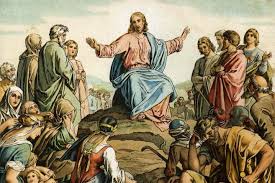
When Jesus climbed that mountain in Galilee, followed by crowds of sick and desperate people, He wasn’t about to give them the self-help manual they might have expected. Instead, He offered something far more revolutionary—a blueprint for true happiness, or as the Greek word makarios suggests, a deep, abiding blessedness. What we call the Beatitudes aren’t just nice spiritual sentiments for a greeting card. They are countercultural declarations that overturn everything the world tells us about success, happiness, and fulfillment.
If you’ve ever felt like you’re pursuing the right things but missing the mark on what truly matters, this message is for you.
The Overview: Eight Declarations of Blessing
The Beatitudes appear in Matthew 5:3-12 and form the opening movement of the Sermon on the Mount, Jesus’ most comprehensive teaching about the kingdom of heaven. Let’s look at what Jesus declared:
“Blessed are the poor in spirit, for theirs is the kingdom of heaven. Blessed are those who mourn, for they will be comforted. Blessed are the meek, for they will inherit the earth. Blessed are those who hunger and thirst for righteousness, for they will be filled. Blessed are the merciful, for they will be shown mercy. Blessed are the pure in heart, for they will see God. Blessed are the peacemakers, for they will be called children of God. Blessed are those who are persecuted because of righteousness, for theirs is the kingdom of heaven.” (Matthew 5:3-10, NIV)
Each beatitude follows a striking pattern: a condition or character trait, followed by a promise. But here’s what makes them so powerful—the conditions Jesus describes are the very things our culture teaches us to avoid.
The Values: Learning to Think Differently About Blessedness
Spiritual Poverty as Strength
The first beatitude begins with the “poor in spirit.” This isn’t about material poverty, though Jesus cared deeply about the materially poor. It’s about recognizing our spiritual bankruptcy before God—acknowledging that we have nothing to bring before Him, no merit, no credentials.
As C.S. Lewis wrote in Mere Christianity, “The first step is to realize that one is in fact, in a fallen state.” When we grasp this, we open ourselves to the kingdom of heaven. Spiritual poverty becomes our entry point into God’s grace.
Mourning That Leads to Comfort
Jesus blesses those who mourn. In the context of His teaching, this isn’t merely grief over personal loss—it includes mourning over sin, our own and the world’s brokenness. Yet this sadness isn’t the end of the story. God promises comfort to those who truly grieve over what grieves His heart. Our tears are collected by a Father who cares.
Power in Meekness
“Blessed are the meek,” Jesus says, “for they will inherit the earth.” Meekness isn’t weakness; it’s strength under control. It’s the willingness to surrender our rights and our need to dominate. The meek aren’t those who lack power, but those who choose to wield power only as God directs. And their reward? Inheritance of the earth itself.
Hunger for Right Living
Those who “hunger and thirst for righteousness” desire right living more than they desire food or comfort. This is a supernatural longing, one that Jesus promises will be satisfied. We live in a culture that hungers and thirsts for comfort, entertainment, and pleasure. But blessed are those whose deepest appetite is for justice, holiness, and alignment with God’s character.
The Reversal: Mercy, Purity, Peace, and Perseverance
The remaining beatitudes create a beautiful sequence. The merciful receive mercy. The pure in heart see God—a promise that our character shapes our vision of God’s reality. Peacemakers become God’s children, reflecting His nature. And finally, those persecuted for righteousness receive the kingdom of heaven, the same reward promised to the spiritually poor. We’ve come full circle.
The great pastor Charles Spurgeon noted, “The Beatitudes are not laws, they are rather the character of those who have been changed by the Holy Spirit.”
Applying the Beatitudes: Living the Blueprint
Understanding the Beatitudes is one thing. Living them is another. Here’s how to move from knowledge to transformation:
Step 1: Begin with Humility
Start where Jesus starts—with a recognition of your spiritual need. This isn’t morbid self-condemnation; it’s honest self-assessment. You cannot follow the Beatitudes through self-effort or moral discipline. The Christian life begins and continues through grace received by faith. Ask God to create in you a humble heart that relies entirely on His strength.
Step 2: Align Your Sorrows with God’s
Don’t just mourn your own losses. Ask God to break your heart with what breaks His. Intercede for those far from God. Grieve over injustice. Lament the ways you’ve contributed to sin in the world. Then trust that God’s comfort is real and available to you in that grief.
Step 3: Examine Your Use of Power
Where do you have influence? In your family, workplace, friendships, or community? The beatitude about meekness invites you to ask: Am I using this power to dominate, to promote myself, or to serve others? Practice restraint. Choose to be gentle when you could be harsh. Surrender credit to others.
Step 4: Cultivate Holy Desire
What do you most want? What drives your decisions and fills your thoughts? Invite the Holy Spirit to recalibrate your desires. Fast occasionally—from food, social media, entertainment—to remind yourself that your deepest need is God and His righteousness. Read Scripture to feed your hunger for truth. Serve others to feed your hunger for justice.
Step 5: Practice the Virtues of Mercy, Purity, and Peace
Look for opportunities this week to extend mercy—genuine forgiveness, help offered without expectation of return. Guard your heart and mind from what corrupts them, not through isolation but through intentional choices. Become a peacemaker in your relationships and community, even when it costs you something.
Step 6: Prepare for Opposition
Jesus’ final beatitude acknowledges that living this way will bring persecution. Not everyone will understand or approve. Some will oppose you. When that happens, remember: yours is the kingdom of heaven. Your reward is secure in God.
Living the Beatitudes: Testimonies of Transformation
Margaret’s Story: From Pride to Peace
Margaret was a successful corporate attorney, highly regarded in her firm. By all external measures, she was blessed. But she was empty. “I had everything the culture said would make me happy,” she recalls. “I had the career, the money, the status. But I was miserable because I was spiritually bankrupt and didn’t even know it.”
A health crisis brought Margaret to her knees. In that vulnerability, she encountered Jesus through a Bible study. “When I heard about being ‘poor in spirit,’ something broke open in me,” she says. “I realized all my striving had kept me from God. The moment I admitted I couldn’t fix myself, I experienced a peace I couldn’t explain.”
Five years later, Margaret has stepped back from her demanding career, mentors young women in her church, and finds joy she never expected. “I still work,” she says, “but my life is about God’s kingdom now, not my kingdom. And I’m actually happy.”
James and Racial Reconciliation
James grew up in a community deeply divided by racial tension. His family held biases he never questioned. But when he became a Christian in college, the Holy Spirit began working on his heart. “I had to mourn,” he says, “mourn the hatred I’d inherited, mourn the injustice in the world I’d been part of, even if unknowingly.”
Over years, James has become a peacemaker, working in his church to build genuine community across racial lines. His extended family thought he was naive. But James kept praying, kept serving, kept choosing peace over righteousness-as-judgment. “I’ve seen people who hated each other become friends,” he shares. “Not because I’m special, but because the Spirit works when we humble ourselves and hunger for justice. I’m experiencing the promise—that peacemakers are called God’s children.”
Sophia’s Witness in Difficult Circumstances
Sophia lost her job because she refused to compromise her ethical standards. It wasn’t dramatic—she simply wouldn’t manipulate data to make quarterly reports look better. Her company let her go without warning.
“I had every right to be bitter,” she says. But the Beatitude about persecution surprised her. “Jesus said those persecuted for righteousness would be blessed. I was persecuted for righteousness—for holding to integrity. And in the hardship, I experienced God’s presence in a way I never had before. The blessing wasn’t the suffering; it was discovering that God was enough.”
Sophia eventually found a position with a company whose values aligned with hers. But more importantly, her experience deepened her faith and her resolve to live according to Jesus’ values, not the world’s.
Recommended Resources
If you’d like to explore the Beatitudes more deeply, I recommend:
- “The Sermon on the Mount: A Sourcebook for the Christian Life” by John Stott — Stott is thoughtful and accessible, offering deep insight into Jesus’ teaching without being academic. His section on the Beatitudes beautifully connects ancient meaning to modern life.
- “Celebration of Discipline: The Path to Spiritual Growth” by Richard J. Foster — While not solely about the Beatitudes, Foster explores the spiritual disciplines that help us embody these principles. It’s a practical guide for transformation.
- “The Imitation of Christ” by Thomas à Kempis — A classic meditation on following Christ’s example. Though written centuries ago, its wisdom on dying to self and seeking Christ above all resonates with the spirit of the Beatitudes.
The Invitation: A Life That Truly Flourishes
The Beatitudes aren’t rules designed to make you miserable. They’re promises designed to make you truly blessed. Jesus is inviting us out of the exhausting pursuit of the world’s counterfeits and into a life of authentic peace, purpose, and joy. A life where spiritual poverty becomes richness, where mourning becomes comfort, where surrender becomes power.
This world will keep telling you that happiness comes from power, wealth, independence, and unblemished reputation. But Jesus says something far more liberating: “Blessed are you when people insult you, persecute you and falsely say all kinds of evil against you because of me. Rejoice and be glad, because great is your reward in heaven” (Matthew 5:11-12, NIV).
The invitation is open. The blueprint is clear. And the One offering it has already paved the way through His own life, death, and resurrection.
This week, ask yourself: Which beatitude is God inviting me to live out more fully? Where am I still chasing the world’s definition of blessing instead of Jesus’? Then take one small step. Acknowledge your need. Grieve what grieves God’s heart. Show mercy. Hunger for righteousness. The kingdom of heaven is not a distant promise for the future alone—it is yours today, as you submit to Jesus’ beautiful blueprint for life.
“Blessed are those who have not seen and yet have believed.” If that describes your heart today, take heart. You are blessed indeed.
Other Resources Available:
- FaithAnswersPress.net: Grow in your faith and share your hope with others. Find biblical answers about the Christian faith. VISIT THE SITE NOW
- Download the FAQs of Faith app for easy access to Faith Answers Press LLC websites, answers to spiritual FAQs, and a daily faith-boosting podcast. DOWNLOAD NOW