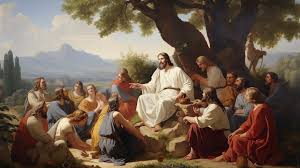
Jesus often spoke about the Kingdom of God in his teachings. He emphasized that it was a spiritual kingdom, not a political one, and he stressed the importance of love, humility, and faith. Jesus used parables to illustrate aspects of the Kingdom, conveying messages about forgiveness, compassion, and the transformative power of God’s rule in people’s lives. Overall, his teachings on the Kingdom of God centered on a call to repentance, a relationship with God, and living according to divine principles.
If you aren’t sure that you have a personal relationship with God, visit my blog post Finding Peace with God. You will never know God and His Kingdom unless you acknowlege your sin to God, repent, and surrender your life to the Lordship and loving care of Jesus Christ.
The Spiritual Realm of the Kingdom
At its core, the Kingdom of God transcends physical boundaries. It is a spiritual reality that goes beyond earthly kingdoms or political systems. Jesus, in response to Pharisees questioning him about the kingdom, declared, “The kingdom of God is not coming with signs to be observed, nor will they say, ‘Look, here it is!’ or ‘There!’ for behold, the kingdom of God is in the midst of you” (Luke 17:20-21 ESV). These words unveil the internal nature of the Kingdom—a transformative presence within the hearts of believers.
Jesus’ teaching about the Kingdom from His parables
Some of Jesus’ parables convey various aspects of the Kingdom of God. Here are a few such parables:
Parable of the Mustard Seed (Matthew 13:31-32): This parable illustrates the idea that the Kingdom of God starts small but grows into something significant. It emphasizes the transformative and expansive nature of God’s rule.
Parable of the Yeast (Matthew 13:33): Similar to the Mustard Seed, this parable underscores the pervasive influence of the Kingdom. It suggests that even a small amount of God’s presence can have a profound impact on the world.
Parable of the Sower (Matthew 13:3-9): This parable emphasizes the different responses people have to the message of the Kingdom. It highlights the importance of receptive hearts and the challenges that can hinder spiritual growth.
Parable of the Good Samaritan (Luke 10:25-37): While not explicitly about the Kingdom, this parable teaches about the nature of God’s rule by emphasizing love, compassion, and the importanct of treating others with mercy and kindness.
Parable of the Prodigal Son (Luke 15:11-32): The parable reveals the Father’s unconditional love and forgiveness. It portrays the Kingdom as a place of mercy and grace for those who repent and return.
Transformation and Repentance
Central to the Kingdom’s manifestation is the concept of transformation. Jesus proclaimed, “Repent, for the kingdom of heaven is at hand” (Matthew 4:17 ESV). Repentance becomes the gateway to embracing the Kingdom—a turning away from self-centeredness to a life aligned with God’s will. It’s not merely about external behaviors but a profound internal shift.
In his influential work, “The Divine Conspiracy”1Dallas Willard; “The Divine Conspiracy”; Harper; 1998, Dallas Willard unfolds the layers of spiritual transformation within the Kingdom of God. He introduces the idea of a “Divine Conspiracy.” where God is actively working to bring his rule and reign into every dimension of human existence, urging believers to actively participate in this cosmic drama.
Present and Future Dimensions
In the Lord’s Prayer, Jesus implores, “Your kingdom come, your will be done, on earth as it is in heaven” (Matthew 6:10 ESV). This prayer echoes the anticipation of the Kingdom’s fullness, acknowledging both its present and future dimensions.
In his book, “The Coming of God: Christian Eschatology”2Jürgen Moltmann,“The Coming of God: Christian Eschatology”; Fortress Press; August 1, 2004, Jurgen Moltmann explores the Kingdom’s dual nature — the already and the not yet. He explains that the the Kingdom is a present reality in the redemptive work of Christ, but its consummation is a future event. This tension between the now and the future creates a dynamic space where believers live in anticipation, actively participating in the Kingdom’s unfolding story.
Ethical Standards of the Kingdom
In the Sermon on the Mount, Jesus paints a vivid picture of the ethical standards of the Kingdom. Love, forgiveness, mercy, and righteousness become the guiding principles for those belonging to the Kingdom. Here are some of the key teachings from the Sermon on the Mount:
Humility. Jesus begins with the Beattitudes (Matthew 5:3-12), highlighting qualities such as humility, meekness, and a hunger for righteousness as characteristics of those in the Kingdom.
Righteousness. The sermon emphasizes a higher standard of righteousness, going beyond external actions to address the attitudes of the heart. For instance, Jesus speaks about not just avoiding murder but also avoiding anger and reconciling with others (Matthew 5:21-26).
Love and Forgiveness. Jesus emphasizes the importance of love, even towards enemies (Matthew 5:43-48). He encourages forgiveness and reconciliation as expressions of Kingdom’s values.
Authenticity: The Sermon on the Mount calls for authenticity in religious practice. Jesus warns against hypocrisy and encourages sincere private devotion (Matthew 6:1-18).
Trust in God: The sermon teaches trust in God’s provision and care, discouraging excessive worry about material needs (Matthew 6:25-34),
Non-Judgmental Attitude. Jesus teaches against a judgmental attitude and encourages a focus on one’s own faults before pointing out others’ faults Matthew 7:1-5).
The Golden Rule. Jesus presents the Golden Rule, instructing people to treat others as they would like to be treated (Matthew 7:12).
Inclusivity of the Kingdom
A striking aspect of the Kingdom is its inclusivity. Jesus shattered societal norms by interacting with individuals from diverse backgrounds. The parables of the Lost Sheep, the Lost Coin, and the Prodigal Son (Luke 15) exemplify God’s inclusive love. This love welcomes all who turn to Him.
In “Christian Mission in the Modern World”3John Stott, Christopher J. H. Wright, “Christian Mission in the Modern World”, IVP, 2015, John Stott reflects on a Kingdom vision that is inclusive and socially engaged. He advocates for a holistic understanding of mission that addresses both spiritual and social needs. Stott’s vision of the Kingdom involves breaking down barriers, reaching out to the marginalized, and addressing systemic injustices.
Kingdom of Heaven vs. Kingdom of God
In Matthew’s Gospel, the term “Kingdom of Heaven” is often used interchangeably with “Kingdom of God.” While the emphasis remains on God’s rule, the word “Heaven” reflects a cultural sensitivity to avoid directly saying God’s name.
The Rule of God in Christ
Ultimately, the Kingdom finds its fullest expression in the person and work of Jesus Christ. Through His life, death, and resurrection, Jesus establishes the redemptive rule of God. He is offering salvation and restoration to all who believe (Colossians 1:13-14, Philippians 2:9-11).
Entering the Kingdom requires repentance and a commitment to follow Christ. According to George Eldon Ladd, discipleship is not just a set of teachings but an active participation in the Kingdom’s unfolding story.4George Eldon Ladd; “A Theology of the New Testament”; Eerdmans; 1993 This view aligns with the call of Jesus to “repent, for the kingdom of heaven is at hand” (Matthew 4:17).
Conclusion
The Kingdom of God is not a distant concept but a transformative reality. It is inviting us into a life marked by love, righteousness, and inclusivity. As we delve into these teachings, may we embrace the Kingdom in our hearts, and live out its ethical standards. Let’s participate in the unfolding story of God’s rule—a story that continues to shape and transform the world.
References
- 1Dallas Willard; “The Divine Conspiracy”; Harper; 1998 ↩︎
- 2Jürgen Moltmann,“The Coming of God: Christian Eschatology”; Fortress Press; August 1, 2004 ↩︎
- 3John Stott, Christopher J. H. Wright, “Christian Mission in the Modern World”, IVP, 2015 ↩︎
- 4George Eldon Ladd; “A Theology of the New Testament”; Eerdmans; 1993 ↩︎