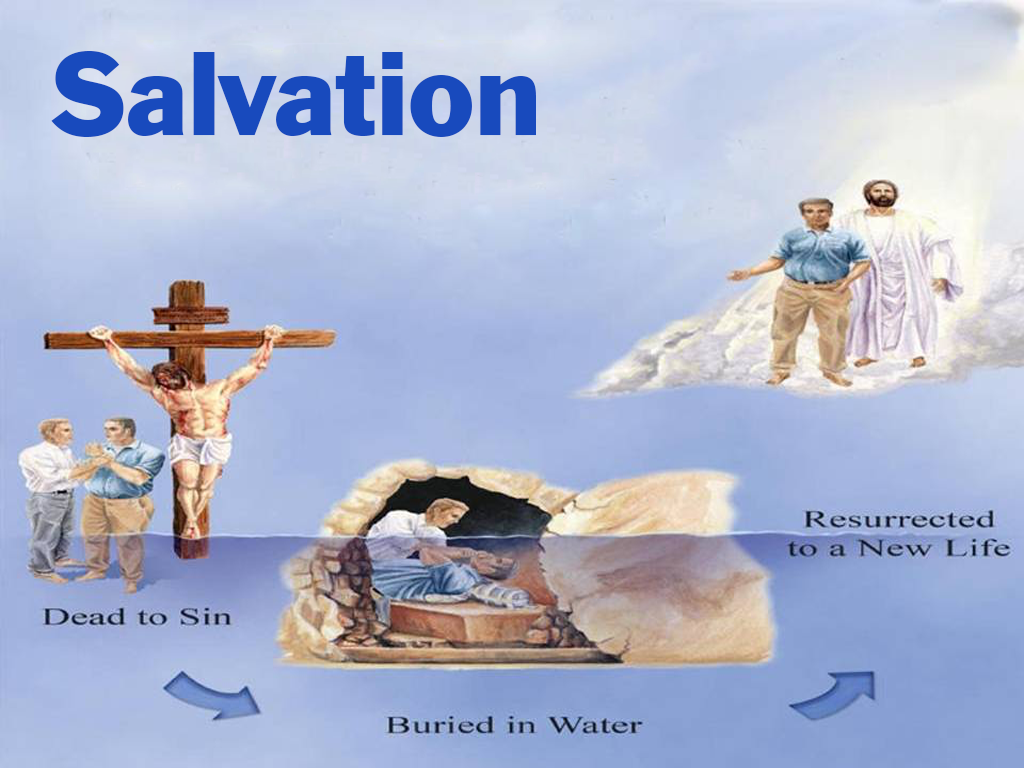
Jesus’ sacrificial death, burial, and victorious resurrection are the foundational events of the Christian faith. These events are central to the gospel message and hold profound significance for believers. The apostle Paul writes in 1 Corinthians 15:3-4, “For what I received I passed on to you as of first importance: that Christ died for our sins according to the Scriptures, that he was buried, that he was raised on the third day according to the Scriptures.”
In this article, we will explore the significance of these events and emphasize the need to believe in the gospel in order to be saved.
The Death of Jesus Christ
The death of Jesus Christ on the cross is the ultimate expression of God’s love for humanity. In Romans 5:8, Paul writes, “But God demonstrates his own love for us in this: While we were still sinners, Christ died for us.” Jesus willingly laid down His life as a sacrifice for the sins of the world, taking upon Himself the punishment that we deserved. His death satisfied the demands of God’s justice and made a way for us to be reconciled to God.
– How Jesus met the requirements to be our sin substitute
- Divine Nature: Jesus Christ, being fully God, is sinless and possesses the inherent holiness required to approach God. Only someone who is sinless could offer a perfect sacrifice that would be acceptable to God for atonement.
- Human Nature: Jesus, also being fully human, could represent humanity. His incarnation allowed Him to live a life in perfect obedience to God’s law, fulfilling the righteousness that humans failed to achieve. His humanity enabled Him to suffer death, the penalty for sin, on behalf of humanity.
- Sacrificial Death: Jesus’ death on the cross was a substitutionary atonement for the sins of humanity. He took upon Himself the punishment that was due for humanity’s sins, satisfying God’s justice. By doing so, He made it possible for God to forgive sins without compromising His holiness or justice.
The Burial of Jesus Christ
After His crucifixion, Jesus was buried in a tomb. His burial serves as a tangible demonstration of His physical death and the fulfillment of the Scriptures. It also signifies the completion of His earthly mission and the beginning of the fulfillment of His promise to rise again on the third day.
The Victorious Resurrection of Jesus Christ
The resurrection of Jesus Christ is the cornerstone of the Christian faith. It is the ultimate victory over sin, death, and the powers of darkness. In 1 Corinthians 15:17, Paul writes, “And if Christ has not been raised, your faith is futile; you are still in your sins.” The resurrection validates Jesus’ claims to be the Son of God and the Savior of the world. It is a demonstration of God’s power and a promise of eternal life for all who believe in Him.
Jesus’ resurrection from the dead is the assurance of God’s acceptance of His sacrifice and the defeat of sin and death. It validates Jesus’ identity and mission and guarantees the future resurrection of those who are united to Him by faith.
Clear Evidence of the Resurrection
God has left us more than sufficient evidence the Jesus was indeed resurrected from the grave. In his book “The Case for Christ.”, Lee Strobel embarks on a quest to investigate the historical reliability of the New Testament accounts of Jesus, with a significant focus on the evidence for Jesus’ resurrection. While Strobel covers a broad range of topics in his book, the following are some of the main points he presents as evidence for the resurrection of Jesus Christ:
- Eyewitness Testimony: Strobel emphasizes the importance of eyewitness accounts found in the New Testament. He points out that the Gospels were written within the lifetimes of the eyewitnesses who had firsthand knowledge of the events they describe, including the resurrection. He also highlights Paul’s reference in 1 Corinthians 15:3-8 to over 500 people who witnessed the risen Jesus, many of whom were still alive when Paul was writing, inviting scrutiny and verification.
- Early Proclamation: The resurrection was central to the early Christian preaching and was proclaimed in Jerusalem, the very city where Jesus was crucified. This early and bold proclamation in a hostile environment is argued to be unlikely if the resurrection had not actually occurred, given that the original audience could easily have refuted the disciples’ claims if they were false.
- Transformation of the Disciples: Strobel points to the dramatic transformation in Jesus’ disciples as evidence of the resurrection. Before the crucifixion, they were depicted as frightened and demoralized; after the resurrection, they became bold and fearless proclaimers of the Gospel, even in the face of persecution and martyrdom. Strobel argues that such a transformation is best explained by their encounters with the risen Christ.
- The Empty Tomb: The fact of the empty tomb is presented as a significant piece of evidence. Strobel discusses the various explanations proposed to account for the empty tomb, such as the disciples stealing the body or Jesus not being truly dead, and finds them lacking in credibility. The empty tomb, coupled with the appearances of the risen Jesus, provides a compelling case for the resurrection.
- The Conversion of Skeptics: Strobel highlights the conversions of individuals like James, the brother of Jesus, and Saul of Tarsus (later known as Paul) as evidence for the resurrection. Both were initially skeptics or even opponents of the early Christian movement. Their conversions, based on personal encounters with the risen Christ, are presented as powerful testimonies to the reality of the resurrection.
- The Existence and Growth of the Early Church: The rapid growth of the early Christian church, despite intense persecution, is argued to be inexplicable without the resurrection. The resurrection provided the foundational belief and motivation for the early Christians to spread their faith across the Roman Empire.
The Atonement for Sin is Accomplished
The holiness of God and the sinful condition of humanity created a moral and relational divide that humanity cannot bridge on its own. His plan throughout the ages was to redeem man from his bondage to sin and the inevitable condemnation it deserves.
Jesus Christ satisfies God’s requirement for atonement because of His unique nature as fully God and fully human. Through His sacrificial death and resurrection, He provides the means for humanity to be reconciled to God, offering forgiveness of sins and the promise of eternal life with God. This divine act of redemption reflects the depth of God’s love for humanity and His justice, demonstrating that God Himself has provided what He demands.
The Need to Believe in the Gospel
The gospel message proclaims that salvation is available to all who believe in Jesus Christ. In John 3:16, Jesus Himself declares, “For God so loved the world that he gave his one and only Son, that whoever believes in him shall not perish but have eternal life.” Belief in the gospel is not merely an intellectual assent to historical events, but a heartfelt trust in the person and work of Jesus Christ. It is a recognition of our need for a Savior and a surrender to His lordship in our lives.
In Acts 16:31, Paul and Silas tell the Philippian jailer, “Believe in the Lord Jesus, and you will be saved.” This simple yet profound statement encapsulates the essence of the gospel message. Salvation is not earned through good works or religious rituals, but through faith in Jesus Christ. It is a gift of God’s grace, received by faith alone.
Conclusion
The death, burial, and resurrection of Jesus Christ are pivotal events in human history. They are the means by which God has provided salvation for all who believe in Him. The gospel message calls us to repent of our sins and trust in the finished work of Christ on the cross. As we embrace the truth of the gospel, we are transformed by the power of the Holy Spirit and granted eternal life in the presence of God. May we all heed the call to believe in the gospel and experience the life-changing power of the resurrected Savior.