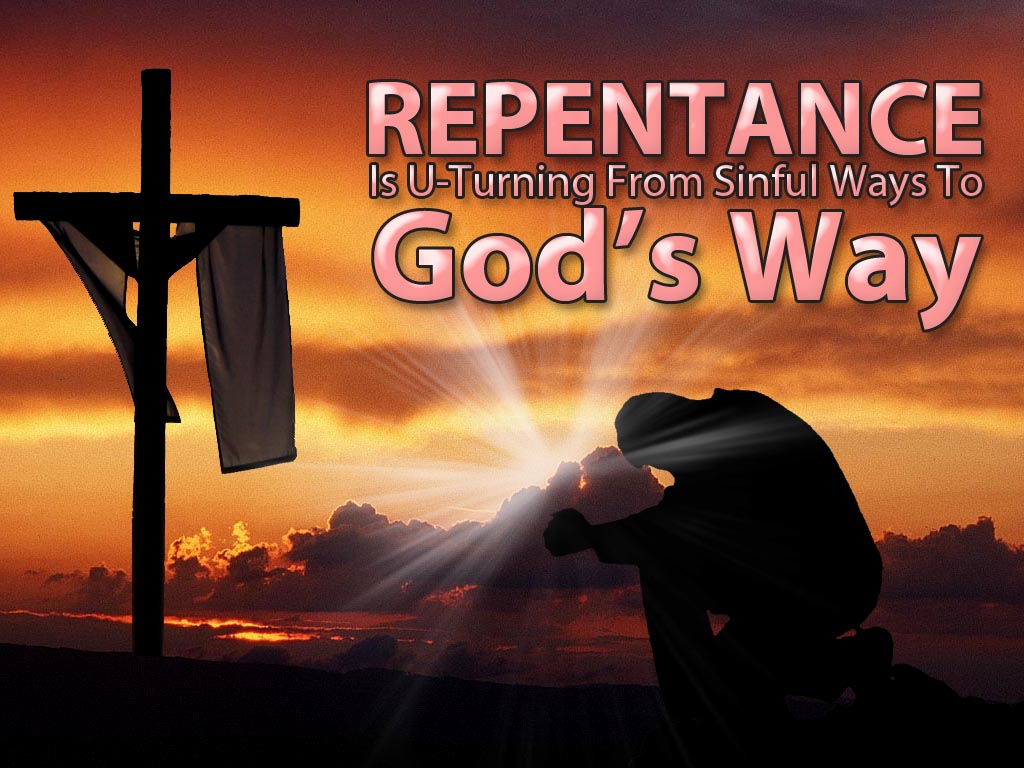
Repent and Believe in the Gospel
If salvation is by grace alone, through faith alone, in Christ alone, according to Scripture alone, then one question still presses upon the conscience: How should a sinner respond to this gospel?
Jesus answered plainly: “The time is fulfilled, and the kingdom of God is at hand; repent and believe in the gospel” (Mark 1:15).
That command is often misunderstood. Some hear the word repent and think only of religious guilt, public shame, or grim self-punishment. Others reduce repentance to a passing feeling of regret, a burst of fear, or a temporary attempt to do better. Still others assume repentance is a work by which we make ourselves worthy of Christ.
But biblical repentance is deeper, truer, and more hopeful than any of those distortions.
Repentance is not paying God back. It is not cleaning yourself up before you come. It is not adding your tears to Christ’s blood.
Repentance is a Spirit-worked turning of the whole person from sin to God.
Repentance Is Commanded by God
The call to repent is not a suggestion for especially religious people. It is God’s command to all people everywhere.
Acts 17:30-31 says, “The times of ignorance God overlooked, but now he commands all people everywhere to repent, because he has fixed a day on which he will judge the world in righteousness by a man whom he has appointed.“
That means repentance is not optional. It is not for addicts but not for respectable sinners, not for criminals but not for churchgoers, not for the young rebel but not for the polite moralist. God commands all people everywhere to repent because all people everywhere are sinners.
The command itself exposes one of our deepest problems: we do not merely do sinful things; we resist God’s rule. We want to keep control. We want forgiveness without surrender, mercy without truth, heaven without holiness, and Christ without His lordship. But the gospel does not invite us to remain at peace with the sin that destroys us.
What Repentance Is
At its heart, repentance is a change of mind about God, sin, and self that leads to a change of direction.
It is turning from sin to God. It is turning from self-rule to Christ’s rule. It is turning from excuses to confession. It is turning from hiding to coming into the light.
That does not mean repentance is merely intellectual. Nor is it merely emotional. Nor is it merely behavioral. Biblical repentance reaches the whole person.
Thomas Watson wrote:
“Repentance is a grace of God’s Spirit whereby a sinner is inwardly humbled and visibly reformed.”
That is well said. Repentance begins inwardly, but it does not remain hidden. Where the heart truly turns, the life begins to turn also.
The Elements of True Repentance
1. Intellectual: agreeing with God about your sin
Repentance includes seeing sin as God sees it. It means stopping the arguments by which we defend ourselves. No more renaming sin as weakness, brokenness, personality, mistakes, or merely the product of our environment. Those realities may explain many pressures and wounds, but they do not erase guilt before a holy God.
David says in Psalm 51:3-4, “For I know my transgressions, and my sin is ever before me. Against you, you only, have I sinned and done what is evil in your sight.“
That is repentance speaking. It does not minimize sin. It does not shift blame. It does not compare itself favorably with others. It agrees with God’s verdict.
2. Emotional: godly sorrow over sin
Repentance also involves sorrow. But Scripture makes an important distinction: not all sorrow is repentance.
Second Corinthians 7:10 says, “For godly grief produces a repentance that leads to salvation without regret, whereas worldly grief produces death.“
Worldly grief is sorrow over consequences, exposure, embarrassment, loss of reputation, or fear of punishment. A person may hate what sin costs him while still loving the sin itself.
Godly grief is different. It is sorrow because sin is evil, dishonoring to God, and destructive to the soul. It grieves over the offense, not merely the fallout.
Esau wept over loss (Hebrews 12:16-17). Judas felt remorse and despair (Matthew 27:3-5). But the sorrow described in 2 Corinthians 7 leads a sinner back to God, not merely deeper into self-pity.
3. Volitional: forsaking sin and submitting to Christ
Repentance includes the will. It is not complete until it moves toward a real turning.
Proverbs 28:13 says, “Whoever conceals his transgressions will not prosper, but he who confesses and forsakes them will obtain mercy.“
To repent is not merely to say, “I know this is wrong.” It is to take God’s side against your sin and to begin abandoning what He forbids. It is to lay down the weapons of rebellion. It is to stop defending the idols you used to protect.
This turning will be imperfect in this life, but it will be real. Repentance does not mean instant sinless perfection. It does mean a new direction.
Repentance Is Not a Work That Earns Forgiveness
This point matters greatly, because many stumble here.
Repentance is necessary, but repentance does not purchase pardon. Tears do not atone for sin. Confession does not satisfy divine justice. Turning over a new leaf does not erase old guilt. Only the blood of Christ can do that.
Repentance is not the sinner paying for sin; it is the sinner abandoning every false defense and coming honestly to the Savior who paid for sin.
That is why repentance and faith belong together. Repentance turns from sin, and faith turns to Christ. Repentance without faith becomes despair. Faith without repentance becomes empty profession.
The gospel call is not merely “feel bad” and not merely “think positive thoughts about Jesus.” It is “repent and believe” (Mark 1:15).
John Calvin wrote:
“No man can embrace the grace of the gospel without betaking himself from the errors of his former life into the right way.”
That does not mean a sinner must first reform himself before coming to Christ. It means coming to Christ includes turning from the very sin that made Christ necessary.
Repentance Is a Gift God Grants
The command to repent does not mean repentance comes from unaided human strength.
Second Timothy 2:25 speaks of “God may perhaps grant them repentance leading to a knowledge of the truth.” Acts 11:18 says, “Then to the Gentiles also God has granted repentance that leads to life.“
That should humble us and encourage us at the same time.
It should humble us because repentance is not a self-generated spiritual achievement. You cannot boast that you rescued yourself by finally becoming honest.
It should encourage us because the God who commands repentance is also able to give it. If your heart is hard, ask Him to break it. If your conscience is dull, ask Him to awaken it. If your will is tangled in sin, ask Him to free it.
The Lord is not helpless before your stubbornness.
A Picture of Repentance: The Prodigal Son
Luke 15 gives one of Scripture’s clearest pictures of repentance.
The younger son dishonors his father, wastes his inheritance, and ends in misery. At first he simply experiences the pain of consequences. But then he “came to himself” (Luke 15:17). He recognized the truth about his condition. He rose and returned. He confessed, “Father, I have sinned against heaven and before you. I am no longer worthy to be called your son” (Luke 15:18-19, 21).
That is repentance: awakening, confession, turning, and returning.
And what meets him on the road? Not indifference. Not contempt. Not probationary acceptance. The father runs to receive him.
The parable does not teach that repentance earns the father’s love. It shows that the repentant sinner comes home to a mercy he did not deserve.
What Repentance Is Not
Because false repentance is common, it is worth being plain.
1. Repentance is not mere regret
You may regret what sin has done to your life and still cling to the sin itself.
2. Repentance is not embarrassment
Many want sin hidden, not hated. They want the shame removed without the heart being changed.
3. Repentance is not fear of punishment alone
Pharaoh repeatedly admitted wrongdoing when judgment pressed him, yet his heart remained hard (Exodus 8-10).
4. Repentance is not temporary reform
A person may change habits, language, social circles, or public behavior for a season without ever turning to God.
5. Repentance is not self-salvation
Trying to become worthy before coming to Christ is not repentance. It is another form of pride.
6. Repentance is not perfection
Some people think, “I cannot come to Christ until I have completely conquered my sin.” If that were true, no sinner could ever come. Christ receives repentant sinners, not already perfected saints.
Ongoing Repentance in the Christian Life
Repentance is not only the doorway into the Christian life. It remains part of the Christian life.
Martin Luther famously wrote in the first of his Ninety-Five Theses:
“When our Lord and Master Jesus Christ said, ‘Repent,’ he willed the entire life of believers to be one of repentance.”
Believers do not outgrow repentance. They become more practiced in it.
The Christian life is not sinless, but it is not impenitent. When true believers sin, they do not make peace with it. They confess it. They fight it. They bring it again to the light. They return again to Christ.
John Owen’s warning remains timely:
“Be killing sin, or it will be killing you.”
That is not a call to morbid introspection. It is a call to serious warfare against the sin that would harden the heart and choke spiritual life.
Common Pitfalls That Can Derail You
1. Delay
Many say, “I will repent later—when life settles down, when I am older, when I have had my fun, when I am more ready.” But God says, “Today, if you hear his voice, do not harden your hearts” (Hebrews 3:7-8).
Delayed repentance is often disguised rebellion. You are not promised a softer heart tomorrow.
2. Partial repentance
Some want God to forgive them while leaving untouched the sins they most love. They want relief from judgment, not release from rebellion. They want what is sometimes called “fire insurance,” not reconciliation with God.
But repentance does not bargain for the right to keep cherished sin.
3. Self-reformation before Christ
This is one of Satan’s oldest tricks: “Clean yourself up first, then come.” But if you could cleanse yourself, you would not need grace. The gospel does not say, “Repair yourself and then be received.” It says, “Come to Christ as a sinner and be cleansed by Him.”
4. Despair over repeated failure
Some begin to see their sin more clearly and conclude, “I must be beyond hope.” But deeper conviction of sin is not proof that grace is absent. Often it is proof that God is dealing truthfully with your soul. Do not respond to conviction by running from Christ. Run to Him.
5. Confusing conviction with conversion
You can feel deeply troubled and still never truly turn to God. Conviction is not the same as repentance. A stirred conscience is not the same as a surrendered heart.
6. Treating repentance as a one-time emotional event
Some look back to a single intense moment and assume all is well, though there is no present hatred of sin and no present turning to God. True repentance may begin at a point in time, but it continues as a posture of life.
What This Means for You
If you have been excusing your sin, repentance calls you to honesty. If you have been merely regretting consequences, repentance calls you deeper. If you have been trying to reform yourself without Christ, repentance calls you to stop trusting yourself. If you have been delaying, repentance calls you now.
The issue is not whether you can present God with a cleaned-up version of yourself. You cannot. The issue is whether you will stop defending your sin and come openly to the Lord Jesus Christ.
Isaiah 55:6-7 says, “Seek the LORD while he may be found; call upon him while he is near; let the wicked forsake his way, and the unrighteous man his thoughts; let him return to the LORD, that he may have compassion on him, and to our God, for he will abundantly pardon.“
That is the hope of repentance: not that sinners become their own saviors, but that God abundantly pardons those who turn to Him.
Key Scriptures to Read
- Mark 1:14-15
- Acts 17:30-31
- Acts 2:37-39
- Luke 15:11-24
- Psalm 51
- Isaiah 55:6-7
- 2 Corinthians 7:8-11
- 2 Timothy 2:24-26
- Acts 11:18
- Proverbs 28:13
Reflection Questions
- Have I confused repentance with regret, embarrassment, or fear of consequences?
- Am I agreeing with God about my sin, or am I still defending and renaming it?
- Is there any sin I am trying to keep while still wanting God’s mercy?
- Have I been delaying repentance on the assumption that I can turn later?
- Am I trying to clean myself up before coming to Christ, instead of coming honestly as a sinner?
- Do I see repentance as a gift of God’s grace as well as a command?
Final Warning and Invitation
Do not mistake remorse for repentance. Do not mistake conviction for conversion. Do not mistake delay for safety. Do not mistake self-improvement for surrender to God.
God commands you to repent. God warns you not to harden your heart. God promises mercy to those who return to Him.
So do not wait until you feel stronger. Do not wait until you feel cleaner. Do not wait until a more convenient season.
Turn from sin to God. Confess the truth. Forsake your rebellion. Come to Christ.
The Savior who receives repentant sinners is the same Savior who died for sinners and rose again. He is not a refuge for the worthy. He is a refuge for the repentant.
And He is able to save.
Other Resources Available:
- FaithAnswersPress.net: Grow in your faith and share your hope with others. Find biblical answers about the Christian faith. VISIT THE SITE NOW
- Download the FAQs of Faith app for easy access to Faith Answers Press LLC websites, answers to spiritual FAQs, and a daily faith-boosting podcast. DOWNLOAD NOW